
Introduction to Nigerian Peanut Stew
Nigerian Peanut Stew is a delectable dish that beautifully marries rich flavors and a hearty texture. What makes this stew so special? It’s the unique combination of ground roasted peanuts, tender meats, and an array of aromatic spices that create a culinary experience you won’t forget. The dish is not only satisfying but also rich in protein and healthy fats, making it a well-rounded meal.
What makes Nigerian Peanut Stew a must-try dish?
The heart of Nigerian Peanut Stew lies in its versatility. You can easily swap out proteins based on your preference—whether you fancy chicken, beef, or even tofu. This adaptability allows you to tailor the dish to suit various dietary needs, making it perfect for gatherings or meal prep.
What’s more, cooking this stew allows you to appreciate the art of traditional Nigerian cuisine. The slow simmering process melds flavors together, creating a creamy, fragrant concoction that warms the soul. For those eager to explore authentic Nigerian cooking, this stew serves as a great introduction to the country's rich culinary heritage.
Ready to dive in? Grab your ingredients, and let's make some Nigerian Peanut Stew! For more insights about Nigerian culture and food, check out sources like Serious Eats for additional tips and recipes.
Ingredients for Nigerian Peanut Stew
Essential ingredients for a flavorful stew
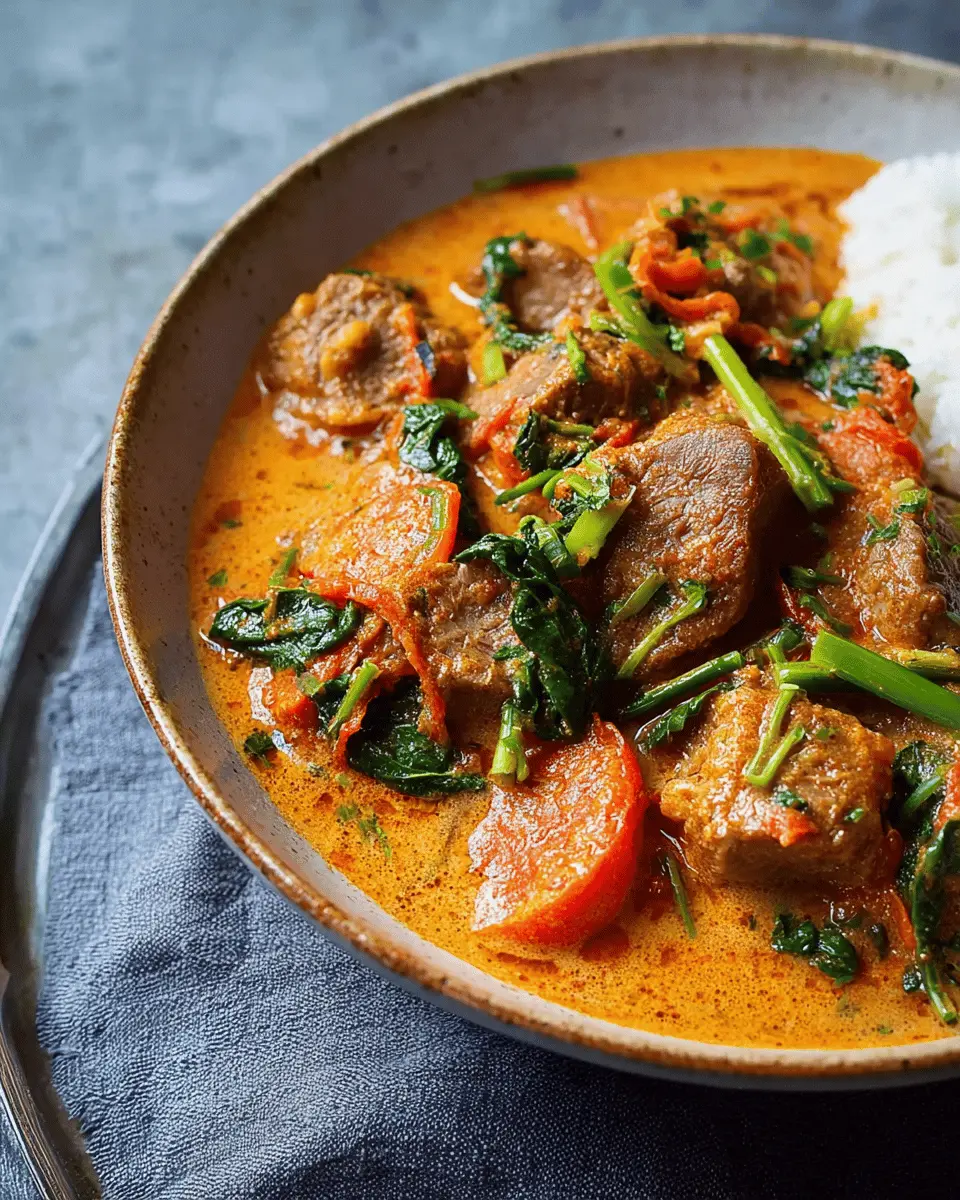
To create a deliciously rich Nigerian Peanut Stew, you'll need a mix of hearty and aromatic ingredients that bring depth to the dish. Start with 1 cup of raw shelled peanuts, which will serve as the stew's base. Be sure to include 7 cups of homemade chicken stock for a robust flavor, along with 2 medium red onions, a red bell pepper, and plum tomatoes for freshness. Don’t forget the heat—add a Scotch bonnet or habanero pepper if you like it spicy! Incorporate ginger, garlic, and thyme for that irresistible aroma.
Optional ingredients for personalization
Feel free to tailor your Nigerian Peanut Stew by incorporating optional ingredients. Consider adding carrots for sweetness or baby bok choy for some greens. You can also customize the heat with Nigerian dry red pepper flakes. If you're feeling adventurous, swap in proteins like fried tofu or add other vegetables such as sweet potatoes for a satisfying twist. Explore what works best for you and enjoy making this dish uniquely yours!
Step-by-step Preparation of Nigerian Peanut Stew
Cooking Nigerian Peanut Stew can be a fulfilling journey for your taste buds, blending vibrant flavors with nutritious ingredients. Below, you’ll find a comprehensive, step-by-step guide that will help you recreate this delicious dish with ease.
Preparing the peanuts
First off, rinse 1 cup of raw shelled red-skin peanuts under cold running water to remove any dust or residue. Drain them and transfer the peanuts to a large heat-proof bowl. Add 1 teaspoon of kosher salt and then cover the peanuts with boiling water, letting them soak for at least an hour until they absorb some water and sink. This soaking process is crucial for softening the peanuts, allowing them to blend into a creamy paste later on.
Roasting the peanuts
Next, preheat your oven to 350°F (175°C). Once heated, spread the drained peanuts on a rimmed baking sheet lined with a clean kitchen towel. Roast the peanuts for about 25 minutes, stirring them a few times during cooking. You want them lightly golden and fragrant. Be prepared for some delightful popping sounds as they roast!
Making the peanut paste
Once roasted and cooled slightly, remove the skins by rubbing the peanuts with a clean kitchen towel. Transfer the skinned peanuts to a blender, adding 1 cup of chicken broth. Blend on high until you achieve a creamy consistency; this should take about a minute. Set aside this rich peanut paste for the next steps in your Nigerian Peanut Stew.
Blender mix for the stew
In a clean blender, combine the roughly chopped red onion, bell pepper, chopped tomatoes, and half of a Scotch bonnet or habanero pepper (if you enjoy heat). Blend this mixture until it’s finely puréed—this adds a fantastic flavor base to your stew.
Seasoning the meat
In a large bowl, mix together 1 tablespoon of salt, freshly grated ginger, minced garlic, thyme, black pepper, and 1 tablespoon of peanut oil. Take 1 pound of boneless chicken thighs and 1 pound of boneless beef chuck, cutting them into uniform pieces. Rub your seasoning mixture all over the meat—this step infuses each bite with essential flavors.
Browning the meat
Heat 2 tablespoons of peanut oil in a large pot or Dutch oven over medium-high heat. Once shimmering, add the seasoned meat, cooking until it’s browned on all sides—this will take roughly 10-15 minutes. Use a slotted spoon to transfer the meat to a bowl, leaving the flavorful bits in the pot.
Sautéing the vegetables
Add another 2 tablespoons of oil to the pot, heating it again. Toss in ½-inch diced onion, bay leaves, and 1 teaspoon of salt. Sauté until the onions soften, about 3-4 minutes. Then, pour in 2 cups of broth, scraping the bottom of the pot to incorporate all those delightful flavors.
Combining ingredients and simmering
Stir in the puréed vegetable mix you made earlier, bringing it to a boil. Then, reduce the heat to a simmer, adding back in your browned meat, along with 3 cups of broth. Cover the pot partially and let it simmer until the meat is tender—this should take about 60-90 minutes.
Finalizing and thickening the stew
Once the meat is tender, carefully remove 1 cup of stew broth and whisk it into the reserved peanut paste until smooth. Stir this back into the pot. Add your carrots, and once they start to soften, add in bok choy and sliced onion. Cover and cook for about 5 minutes until everything is well integrated and thickened. This final simmer will create a deliciously rich Nigerian Peanut Stew.
And there you have it! Serve it warm with plain rice, fried plantains, or flatbreads for a complete meal that tantalizes the taste buds and leaves you feeling satisfied. Enjoy!
Variations on Nigerian Peanut Stew
Vegetarian and Vegan Adaptations
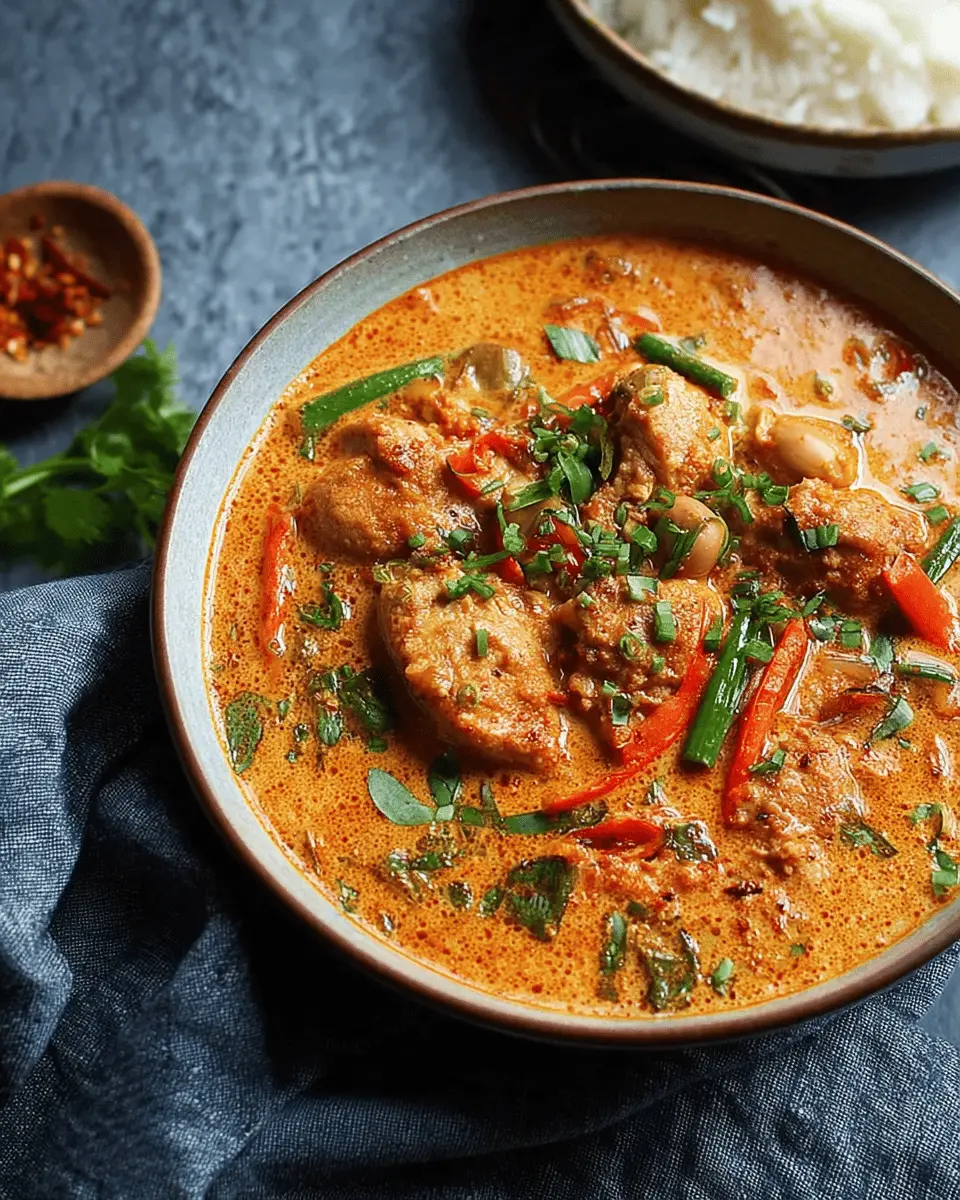
If you're leaning towards a vegetarian or vegan lifestyle, fear not! You can easily modify this classic Nigerian Peanut Stew by swapping out meats for plant-based alternatives. Consider using fried tofu, chickpeas, or lentils for protein. Not only will this add a delightful texture, but it also brings a unique twist to the dish. Replace chicken broth with vegetable stock for a richer flavor without any animal products.
Alternative Proteins and Veggies
Feel free to get creative with proteins and veggies! Besides the usual chicken and beef, think about including sweet potatoes, roasted mushrooms, or plantains. These ingredients will complement the stew's rich, nutty flavors beautifully. Always remember to adjust cooking times to ensure your veggies are perfectly tender. For more inspiration on alternative ingredients, check out Serious Eats.
Cooking Tips and Notes for Nigerian Peanut Stew
Best practices for ingredient prep
To make the best Nigerian Peanut Stew, start with fresh ingredients. Rinse and soak your raw peanuts thoroughly to help them cook evenly and achieve that creamy texture. For optimal flavor, chop your vegetables (like the red onions and bell peppers) just before cooking. This ensures maximum freshness and a delightful crunch in your stew.
Ensuring peak flavor and texture
When cooking, remember to sauté your onions until they are just translucent—this enhances their sweetness. Additionally, don't skip the roasting step for the peanuts; it brings out their rich, nutty flavor. Adjust the heat carefully after adding the broth and peanut paste, allowing the stew to simmer gently for a velvety consistency. If you like a kick, don’t hesitate to tweak the Scotch bonnet or dry pepper amounts! For serving, you can pair it with plain rice or delicious Nigerian plantains for a complete meal.
Serving Suggestions for Nigerian Peanut Stew
Accompaniments to Enhance Your Meal
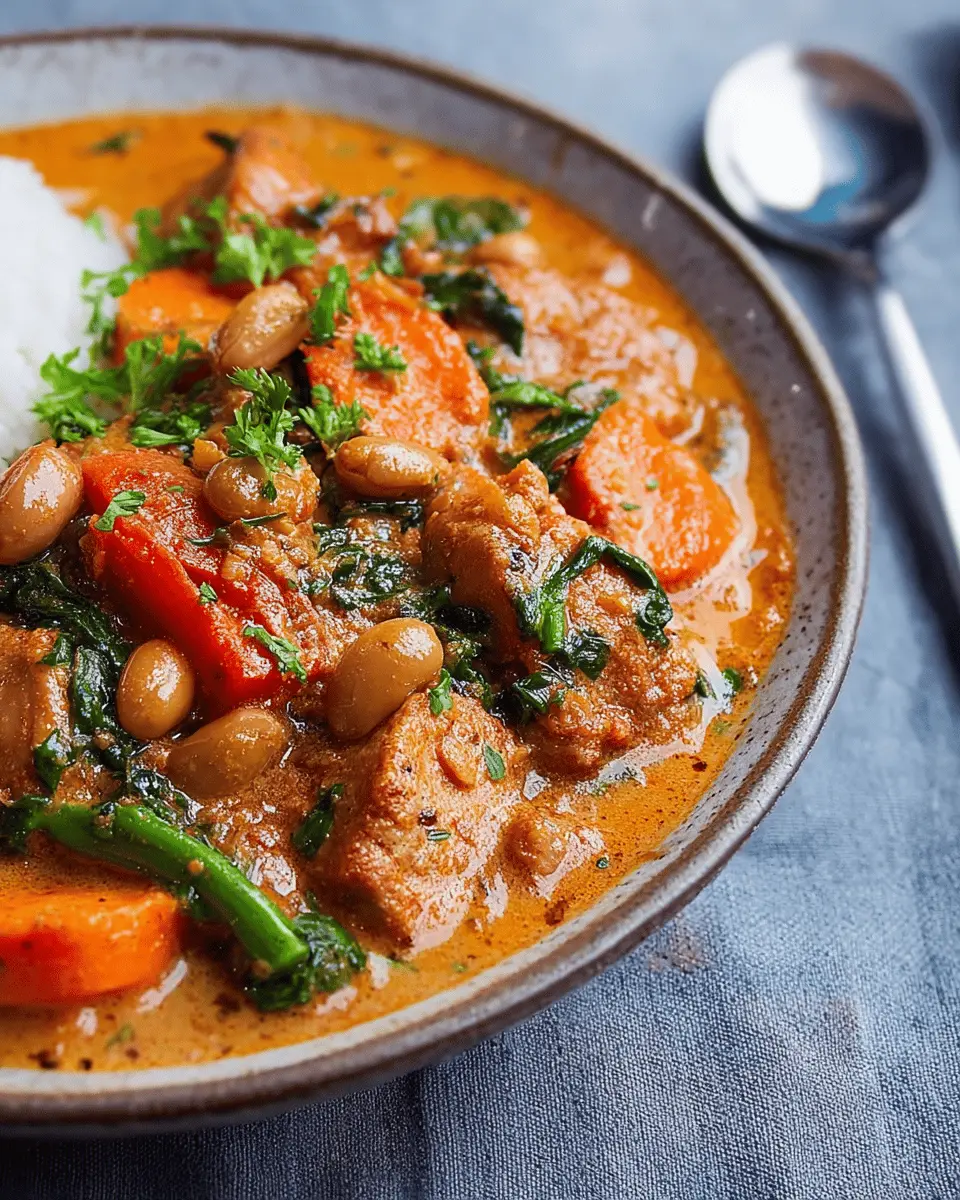
To truly savor your Nigerian Peanut Stew, consider pairing it with some delightful side dishes. Plain rice serves as a fantastic base, soaking up the rich flavors. For a touch of sweetness, add Dodo (fried Nigerian plantains) for balance. If you’re in the mood for something different, opt for flatbreads like Indian rotis or naan, which add a rustic charm to the meal.
Creative Ways to Enjoy Leftovers
Leftovers from your Nigerian Peanut Stew can be just as delicious. Try turning it into a creamy pasta sauce – simply add a splash of broth and toss it with your favorite noodles. Alternatively, you can blend it into a hearty soup with more vegetables or proteins. Even consider using it as a filling for tacos, topped with fresh herbs and a squeeze of lime. The possibilities are endless!
Time Breakdown for Nigerian Peanut Stew
Preparation Time
Getting started on your Nigerian Peanut Stew is quick and simple, taking just about 15 minutes to chop, blend, and soak the peanuts.
Cooking Time
The real magic happens as your stew simmers over 3 hours and 10 minutes. This allows the flavors to meld beautifully, making each bite rich and satisfying.
Total Time
In just 4 hours and 45 minutes, you can serve up a hearty pot of Nigerian Peanut Stew that’s sure to impress. This includes soaking and cooling time, so plan accordingly!
This comfort dish is worth every minute. For a deeper dive into the rich history of peanut stews, check out this detailed article on their cultural significance. Happy cooking!
Nutritional Facts for Nigerian Peanut Stew
Calories per serving
A delicious bowl of Nigerian Peanut Stew typically contains around 450 calories per serving. This hearty dish is brimming with flavor while still being a satisfying meal option.
Macronutrient breakdown
- Protein: Approximately 25g
- Fat: About 30g (primarily from peanuts and oil)
- Carbohydrates: Roughly 30g, with fiber contributions from veggies and peanuts
- Fiber: Around 7g, promoting digestive health
This stew packs a powerful nutritional punch, making it an excellent choice for a balanced meal. For more insights on nutrition, you can check out resources from the USDA or Harvard Health Publishing.
FAQs about Nigerian Peanut Stew
Can I make Nigerian Peanut Stew ahead of time?
Absolutely! You can prepare the peanut blend and the stew base separately and refrigerate them in airtight containers for up to five days. This makes it super convenient for busy weeknights. The finished Nigerian Peanut Stew can be stored in the fridge for up to four days. When you're ready to enjoy it, just reheat gently on the stovetop or microwave for that fresh, comforting taste.
What are some common ingredient substitutions?
No problem! If you can’t find raw shelled peanuts, you can use already roasted peanuts or even unsweetened peanut butter. For proteins, feel free to substitute chicken and beef with fried tofu or a mix of other vegetables like sweet potatoes or greens. As for spices, cayenne pepper or red pepper flakes can replace Nigerian dry red pepper. Just adjust the cooking times and ingredient amounts as needed for that perfect flavor.
How spicy is Nigerian Peanut Stew?
The spice level of Nigerian Peanut Stew can vary greatly depending on your taste and the amount of Scotch bonnet or habanero pepper you choose to use. For those who enjoy a milder flavor, using just half of the pepper will give you a pleasant kick without overwhelming heat. If you're a spice aficionado, go ahead and throw in the whole pepper! You can always adjust with additional Nigerian dry red pepper flakes for extra heat during cooking.
Conclusion on Nigerian Peanut Stew
Nigerian Peanut Stew is a delightful dish that offers a rich blend of flavors and textures, making it a comforting choice for any occasion. Embrace the passion of cooking and share this culinary journey with friends and family. Savor each spoonful, and don’t hesitate to make it your own!
Nigerian Peanut Stew
Equipment
- colander
- Large pot or Dutch oven
- blender
Ingredients
Peanuts and Seasonings
- 1 cup raw shelled red-skin peanuts
- 5 teaspoons kosher salt divided; for table salt use half as much by volume
- 7 cups chicken stock or low-sodium chicken broth divided
Vegetables
- 2 medium red onions 1 onion roughly chopped, ½ onion cut into ½-inch pieces and remaining ½ onion halved and thinly sliced
- 1 medium red bell pepper chopped
- 2 medium plum tomatoes chopped
- 1 piece Scotch bonnet or habanero pepper stemmed and cut in half (optional)
- 1 piece fresh ginger about 2 ounces, peeled and grated
- 4 cloves garlic minced
- 2 leaf bay leaves
- 2 medium carrots peeled and cut into coins or chunks
- 1 pound baby bok choy leaves pulled apart and rinsed
Meats and Oils
- 1 pound boneless, skinless chicken thighs cut into 2-inch pieces
- 1 pound boneless beef chuck cut into 1 ½-inch pieces
- 5 tablespoons peanut oil divided
- ½ to 1 teaspoon Nigerian dry red pepper flakes (optional)
- ½ teaspoon freshly ground black pepper
- 1 tablespoon dried thyme
Instructions
Preparation and Roasting
- Rinse peanuts well under running cold tap water. Drain and add 1 teaspoon kosher salt, then cover with boiling water and let soak at room temperature until most peanuts sink, at least 1 hour or up to 12 hours.
- Adjust the oven rack to middle position and heat the oven to 350°F. Lay a clean kitchen towel over a rimmed baking sheet. Drain peanuts, rinse well, and pat to dry on the towel.
- Roast peanuts on the baking sheet for about 25 minutes, stirring occasionally until golden brown. Let cool slightly, about 10 minutes.
- Remove the peanut skins using a clean kitchen towel to rub the peanuts. Shake in a colander to remove most of the skins.
Blending
- Transfer peanuts to a blender jar, add 1 cup broth, and blend until creamy.
- In a clean blender, blend the roughly chopped red onion, bell pepper, tomatoes, half of Scotch bonnet, and 1 cup broth until finely puréed.
Cooking the Stew
- In a large bowl, combine 1 tablespoon salt, ginger, garlic, thyme, pepper, and 1 tablespoon oil. Add the chicken and beef, season, and set aside.
- In a large pot, heat 2 tablespoons oil and brown the sauced meat for 10 to 15 minutes. Transfer to a bowl.
- Add remaining oil to the pot, cook the onion pieces, bay leaves, and 1 teaspoon salt until soft. Add 2 cups broth and the remaining Scotch bonnet, bring to a boil, and stir in the puréed stew mix.
- Carefully remove 1 cup of the stew broth and whisk into the peanut paste. Stir back into the pot with the meat, and add 3 cups broth, and season again with salt.
- Simmer until meat is tender, about 60 to 90 minutes, tasting and adding dried pepper if desired.
- Add carrots and cook until softened, about 8 minutes. Add bok choy and sliced onion, cooking until bok choy wilts, about 3 minutes. Stir until the stew thickens, about 5 minutes, then let cool slightly.




Leave a Reply