
Introduction to Vietnamese Chicken Pho Soup
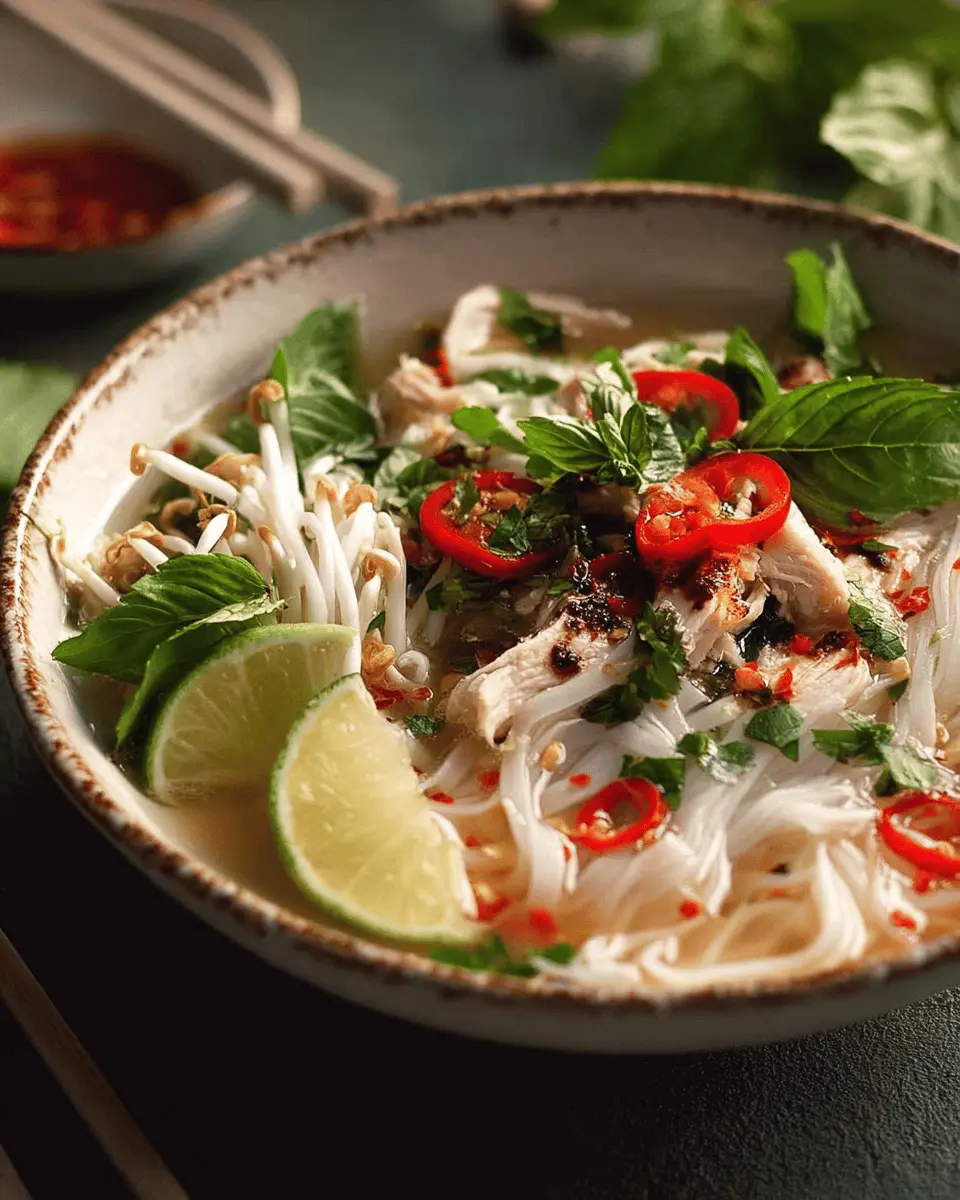
If you're looking for a comforting bowl of Vietnamese Chicken Pho Soup, you've come to the right place! This delightful dish, known as Pho Ga, is often compared to a hearty homemade chicken noodle soup but takes it up several notches in terms of flavor and complexity. The aromatic broth, crafted from charred onions and ginger, combined with a mix of fragrant spices like star anise, cinnamon, and cloves, creates a symphony of taste that warms your soul.
What makes Vietnamese Chicken Pho Soup particularly special is how it captures the essence of Vietnamese cuisine—fresh, vibrant, and loaded with herbs. You can elevate your soup with various toppings like bean sprouts, lime wedges, and fresh herbs such as Thai basil and cilantro. The best part? Making it at home allows you to tailor the flavors exactly to your liking.
Whether you're sipping a warm bowl after a long day or serving it at a gathering, this dish can quickly become a favorite. Ready to dive into the full recipe? Let’s take a culinary journey to Vietnam! For detailed insights into cooking techniques and more, check out this Vietnamese food guide.
Ingredients for Vietnamese Chicken Pho Soup
Essential aromatics and spices
The heart of Vietnamese Chicken Pho soup lies in its aromatic foundation. Start with charred onions and ginger, which add depth and warmth to the broth. Using skin-on, halved onions and thick slices of unpeeled ginger gives a rich flavor profile. Don’t forget the spices: star anise, cinnamon, cloves, fennel seeds, and coriander seeds. Each of these contributes a unique note, turning your broth into a fragrant masterpiece.
Main ingredients for the broth
To craft the perfect pho broth, you need bone-in chicken thighs for their rich flavor and gelatin, combined with water for the base. Include a small bunch of fresh coriander (or cilantro), which infuses the broth with vibrant herbal notes. If you want to know more about how to pick chicken at your local market, check out resources from The Spruce Eats.
Noodle bowl essentials and toppings
Your pho noodles are essential too! Use dried rice noodles to achieve that authentic texture, or opt for fresh ones if available. As you serve, pile on the fun with toppings like bean sprouts, Thai basil, and sliced limes for that zesty kick! Customize your bowl with hoisin sauce and Sriracha to suit your tastes. This is your chance to get creative—what will you add?
Step-by-step preparation of Vietnamese Chicken Pho Soup
Making a delicious bowl of Vietnamese chicken pho soup might seem daunting, but I promise it's easier than it looks! Follow these simple steps for a tasty and authentic experience.
Char the aromatics
The first step to creating a rich broth is to bring out the flavors of the aromatics. Start by heating 1 tablespoon of oil (vegetable or canola) in a large pot over high heat. Once the oil is hot, add 2 halved onions (skin left on to enhance flavor) and a 5 cm piece of unpeeled ginger, sliced into thick pieces. Let them sit face down for about 2 minutes until they blacken, then turn them over for another 2 minutes. This charring process adds depth to your broth, giving your pho ga an earthy flavor. If you're curious about the importance of charred ingredients, take a look at this article on grilling techniques.
Prepare the broth
Now that your aromatics are ready, it’s time to build the broth. Add 2 liters of water along with your chicken thighs (1.5 kg), a small bunch of coriander, 5 star anise pods, a cinnamon stick, 4 cloves, 2 teaspoons of fennel seeds, and 2 teaspoons of coriander seeds to the pot. Bring it to a gentle simmer, then cover with the lid slightly ajar to allow steam to escape while ensuring all those flavors meld together. This gentle simmer is key to achieving a clear broth—simmer for 1.5 hours, skimming off any scum that rises to the surface.
Strain and season the broth
Once it’s time, remove the chicken and strain the broth into a clean pot. You should have about 1.5 liters of flavorful liquid. If you have more, let it simmer to reduce; if it’s less, simply add a bit more water. Before serving, add salt to taste—aim for it to be a tad salty, as this will balance out once you add the noodles.
Shred the chicken
After your broth is sorted, turn your attention to the chicken. Discard the skin and bones, then shred or chop the meat. It’s so tender and infused with spices, you won’t want to waste it! Note that you’ll likely have leftover chicken, which makes for excellent additions in future meals, like fried rice or salads.
Assemble the pho bowls
To create your pho bowls, gather all your authentic toppings: fresh bean sprouts, herbal goodies like Thai basil and cilantro, lime wedges, and sauces like hoisin and sriracha. Prepare the rice noodles according to the package instructions, drain them well, and place them in bowls. Top with shredded chicken, ladle over approximately 375 ml of hot broth, and sprinkle with chopped green onions. Let everyone customize their bowl with toppings, and don’t forget the lime squeeze for that zesty kick!
Now, sit back and enjoy your homemade Vietnamese chicken pho soup! You'll find that each spoonful is filled with love and warmth—perfect for a cozy evening at home.
Variations on Vietnamese Chicken Pho Soup
Vegetarian Pho Options
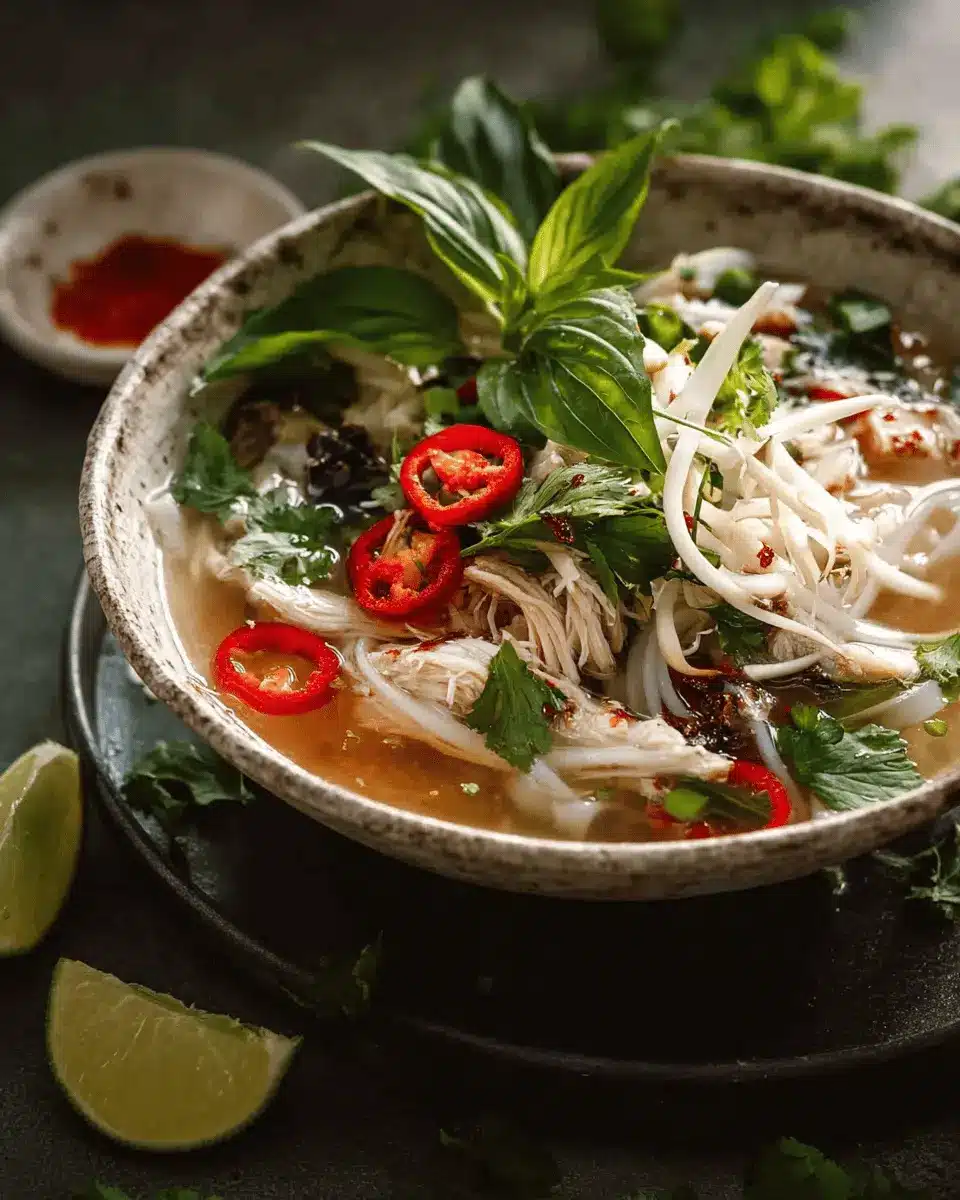
If you want a delicious Vietnamese chicken pho soup alternative, consider the vegetarian pho! Simply substitute the chicken with hearty mushrooms like shiitake or portobello for a meaty texture. Use vegetable stock as your base and amp up the flavor with additional spices, such as star anise and cinnamon. Fresh herbs and veggies like bok choy, zucchini, and cherry tomatoes can add brightness to your bowl, making for a comforting yet refreshing meal.
Quick Pho Using Store-Bought Stock
In a rush? You can still enjoy a flavorful pho with a few tweaks! Use high-quality low-sodium chicken stock instead of making the broth from scratch. Just sauté your charred onion and ginger, then combine with the stock, shredded chicken breast, and spices. Simmer for just 30 minutes to infuse those aromatic flavors. Your quick Vietnamese chicken pho soup will be ready in no time, perfect for busy weeknights!
For more insights on making delicious pho variations, check out Bon Appétit for additional tips and recipes.
Cooking tips and notes for Vietnamese Chicken Pho Soup
Importance of broth clarity
When making Vietnamese chicken pho soup, a clear broth is essential for both aesthetics and flavor. Start by gently simmering your ingredients and make sure to regularly skim off any foam that accumulates. This attention to detail not only enhances the clarity of your chicken broth but also contributes to a cleaner, more refined taste. Remember, a beautifully clear broth is the hallmark of a well-made pho!
Tips for using leftover chicken
After your soup is ready, don’t let that delicious, infused chicken go to waste! You can shred and use the leftover chicken in a variety of dishes. Think fried rice, Vietnamese noodle salads, or even incorporating it into a tasty stir-fry. The different flavors your chicken absorbs during the pho-making process will elevate every new dish it graces!
Serving suggestions for Vietnamese Chicken Pho Soup
Pairing with beverages
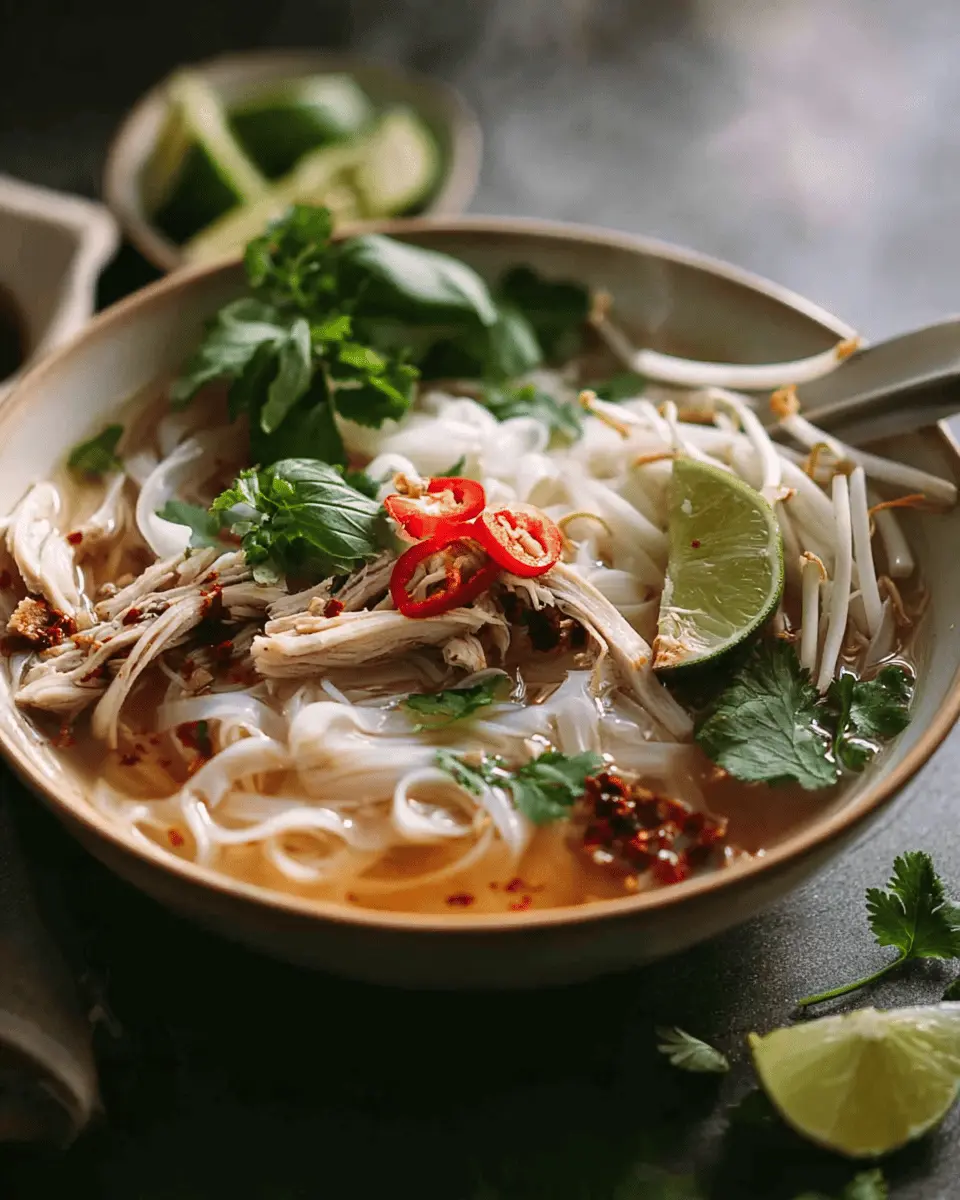
When enjoying your Vietnamese chicken pho soup, consider pairing it with refreshing beverages that complement its flavors. Ice-cold Thai iced tea or Vietnamese coffee with condensed milk can add a delightful sweetness that balances the savory broth. For a lighter option, serve it with herbal teas like jasmine tea or even sparkling water with lime for a refreshing twist. These drinks resonate with the vibrant energy of Vietnamese cuisine and enhance your dining experience!
Ideal occasions for serving pho
Vietnamese chicken pho soup is perfect for numerous occasions. Whether you're hosting a cozy family dinner, celebrating a friend's birthday, or simply craving some comfort food, this dish fits the bill. Serve it on a chilly evening for a warm, nourishing meal, or during casual gatherings where guests can personalize their bowls with toppings. Pho also makes a fantastic dish for meal prep; you can enjoy it throughout the week as a delicious lunch or quick dinner option. It’s surely a crowd-pleaser!
For more tips on pairing and serving this fantastic soup, check out Vietnamese cuisine blogs or culinary guides for fresh ideas and inspiration.
Time Breakdown for Vietnamese Chicken Pho Soup
Preparation Time
Get ready to dive into this flavor-packed experience! The preparation for your Vietnamese Chicken Pho Soup takes about 10 minutes. That's just enough time to gather your ingredients and get your pot ready for some culinary magic.
Cooking Time
Now, let's talk cooking. You'll want to set aside 1 hour and 30 minutes for the broth to simmer—the heart and soul of your Pho! During this time, aromatic goodness infuses, creating that rich and robust flavor we all crave.
Total Time
All in all, you’re looking at a total of 1 hour and 40 minutes to create this delightful bowl of Pho Ga. Put on your favorite music or a podcast while you wait; the comforting aromas will be well worth the time spent!
Remember, you can always find more tips and tricks for the perfect Pho through sources like the Vietnamese Culinary Center or Serious Eats. Happy cooking!
Nutritional Facts for Vietnamese Chicken Pho Soup
When diving into the comforting world of Vietnamese chicken pho soup, it’s essential to track the nutrition it provides. Here’s a quick breakdown to keep your meal both delicious and balanced!
Calories
In one generous serving of this flavorful pho, you can expect about 501 calories. It's a perfectly satisfying option without overindulging.
Protein
Enjoying a steaming bowl of pho not only warms your soul but also adds approximately 20 grams of protein, thanks to the tender chicken thighs. This makes it a fantastic choice for maintaining muscle and overall health.
Sodium
However, keep in mind that this delectable soup contains around 1486mg of sodium per serving. If you're watching your sodium intake, consider altering the fish sauce and salt amounts in the recipe, or opt for low-sodium versions of these ingredients.
For more nutritional insights, check out resources from the USDA or the CDC for comprehensive dietary information. Your health matters, even when indulging in delicious recipes like pho!
FAQ about Vietnamese Chicken Pho Soup
How can I make my pho broth clearer?
To achieve a beautifully clear broth for your Vietnamese chicken pho soup, the key is in the simmering technique. Start by gently simmering your broth rather than boiling it vigorously. Additionally, be diligent in skimming off any foam or impurities that rise to the surface during the cooking process. This will help maintain that crystal-clear look!
What type of noodles work best for pho?
For the most authentic experience, opt for thin flat rice noodles—these are commonly found in Asian markets labeled as “pho noodles.” You can use either dried or fresh noodles, but make sure to cook them according to package instructions. Fresh rice noodles provide a delightful chewiness, while dried noodles are convenient and equally delicious.
Can I make pho in advance?
Absolutely! You can prepare the broth ahead of time and store it in the refrigerator for up to five days or freeze it for up to three months. Just remember to keep the noodles and toppings separate until you're ready to serve to ensure everything remains fresh and flavorful. For more tips on storing pho and maximizing chicken usage, check out Serious Eats for detailed storage insights.
Conclusion on Vietnamese Chicken Pho Soup
In summary, Vietnamese chicken pho soup is not just a meal; it's an experience brimming with flavor and warmth. This comforting dish brings the taste of Vietnam to your kitchen, perfect for cozy evenings or gatherings. Embrace creativity with toppings, and enjoy the rewarding journey of making pho from scratch!
Discover more about Vietnamese cuisine through authentic blogs like Vietnamese Food or find inspiration for future dishes at Serious Eats—they'll broaden your culinary horizons!
Vietnamese Chicken Pho soup (Pho Ga)
Equipment
- 6 litre / 6 quart pot
Ingredients
Charred aromatics
- 1 tablespoon oil vegetable or canola (or other plain oil)
- 2 pieces onions halved (skin on fine)
- 5 cm ginger sliced 0.75cm / ⅓" thick (unpeeled)
Pho Soup Broth
- 2 litres water
- 1.5 kg chicken thighs bone in skin on
- 1 small bunch coriander/cilantro
- 5 pods star anise was short in photo & video!
- 1 stick cinnamon
- 4 cloves cloves
- 2 teaspoon fennel seeds
- 2 teaspoon coriander seeds
- 8 teaspoon fish sauce
- 6 teaspoon white sugar
- 0.75 teaspoon salt Cooking/kosher salt, or ½ teaspoon table salt
Noodle Bowls
- 360 g dried rice noodles thin flat (or 600g fresh)
- 2 stems green onions finely sliced
Toppings - help yourself
- 3 cups bean sprouts
- 1 small bunch Thai Basil
- 1 small bunch coriander/cilantro
- 2 pieces limes cut into 4 wedges
- Hoisin sauce
- Sriracha
- red chillies finely sliced (optional)
Instructions
BROTH
- Heat oil in a 6 litre / 6 quart pot over high heat. Place ginger and onion facedown, leave undisturbed for 2 minutes until they blacken. Turn and leave for another 2 minutes.
- Add water and remaining Broth ingredients EXCEPT salt. Bring it a simmer, then lower heat so it's simmering VERY gently with the lid on, but open a crack.
- Simmer gently for 1.5 hours. Scoop off scum that rises to surface once or twice during the simmering.
- Remove chicken, then strain broth into a clean pot - you should have 1.5 litres / 1.5 quarts. If you have more, simmer to reduce. If less, top it up with water.
- Add salt, bring broth to a gentle simmer. Broth should be slightly on the salty side - it dilutes when you add the noodles.
- Keep broth warm until ready to serve.
- Shred chicken meat, discard bones and skin.
ASSEMBLING
- Place Toppings out on the table.
- Reheat chicken (can briefly dunk in broth!).
- Prepare noodles per packet directions, just prior to serving. Drain very well (excess water dilutes broth).
- Place noodle in bowls. Top with chicken, ladle over 375ml / 1.5 cups broth. Sprinkle with green onion.
- Pile on Toppings of choice, add a squeeze of lime into the broth. Consume immediately!
Leave a Reply