
Introduction to Beignets Recipe
What are Beignets and Why Make Them at Home?
If you've ever wandered the streets of New Orleans, you've likely encountered the irresistible aroma of beignets. These delightful, pillowy pastries are deep-fried to perfection and often coated with a generous dusting of powdered sugar. But what makes making your own beignets recipe so special?
Creating beignets at home not only allows you to enjoy fresh, warm treats, but it also offers an opportunity to engage in a fun, hands-on cooking experience. Unlike store-bought options, homemade beignets can be personalized to your preference, whether you prefer them super fluffy or perfectly golden brown. Plus, sharing a plate of homemade beignets with friends or family can transform any gathering into a festive occasion.
With just a few ingredients like flour, yeast, and sugar, you can start your culinary adventure! So why not roll up your sleeves and indulge in this delectable French treat? Making your own beignets is not only rewarding but also a delightful way to impress your loved ones. For helpful tips and step-by-step guidance, check out the full recipe below and get ready to dive into this sweet endeavor!
Are you excited? Let’s get frying!
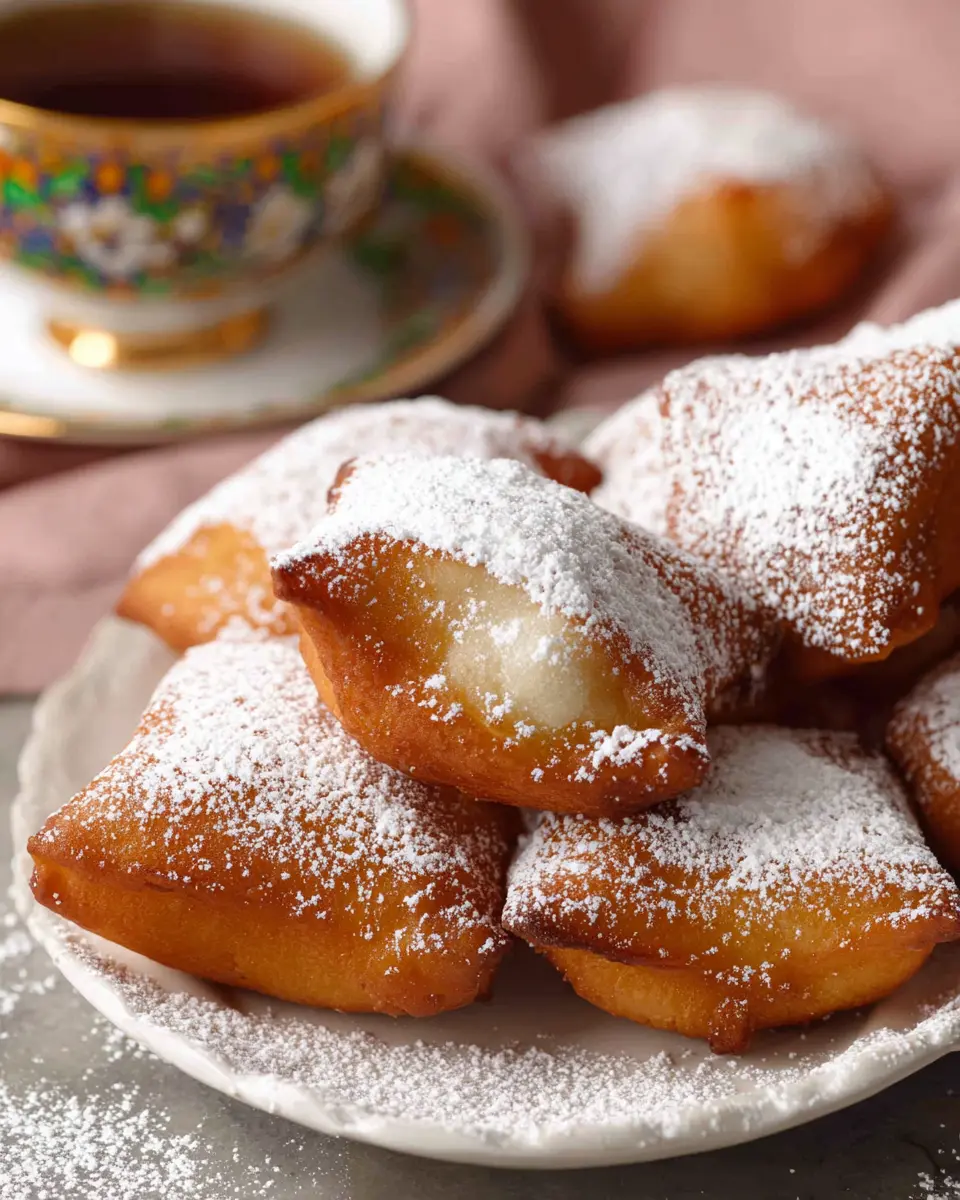
Ingredients for Beignets Recipe
Essential Ingredients for Fluffy Beignets
To create these delightfully fluffy beignets, you’ll need a few essential ingredients that work harmoniously together. Here’s what you'll need:
- Warm Water: ¾ cup to activate the yeast.
- Granulated Sugar: ½ cup, adding sweetness and helping the yeast thrive.
- Active Dry Yeast: 2 ¼ teaspoons, giving your dough that perfect rise.
- Egg: 1 large, for richness and moisture.
- Milk: ½ cup, either regular or evaporated, ensuring a tender texture.
- Vanilla Extract: 2 teaspoons, for that sweet, aromatic flavor.
- All-Purpose Flour: 3 ¾ cups, forming the base of your dough.
- Salt: 1 teaspoon, balancing the flavors.
- Unsalted Butter: 3 tablespoons, creating a tender crumb.
- Vegetable Oil: For frying, to achieve that crispy exterior.
- Powdered Sugar: For dusting, because every beignet deserves a sweet finish.
Optional Ingredients and Substitutions
Feel free to get creative! Here are some optional ingredients and substitutions that can elevate your beignets recipe:
- Nutmeg or Cinnamon: A sprinkle of either adds a warm, cozy note.
- Almond Extract: Swap or add to vanilla for a unique twist.
- Gluten-Free Flour: For a gluten-free version, use a 1:1 gluten-free flour mix.
- Egg Replacer: If you’re looking for a vegan option, consider using a flax egg or commercial egg replacer.
By mixing and matching these ingredients, you can personalize your beignets to suit your taste. Happy frying!
Preparing Beignets
Making delicious, fluffy beignets can be a delightful experience! Whether you’re aiming to impress friends or simply treat yourself to a classic New Orleans treat, let’s break down the process step by step.
Activating the yeast
The first step is crucial: activating your yeast. Start by mixing ¾ cup of warm water (around 110°F) with 2 ¼ teaspoons of active dry yeast and half of your sugar in a bowl or your stand mixer. Allow this mixture to sit for about five minutes, giving the yeast time to foam and bubble. This means it’s alive and ready to work wonders in your beignets recipe! If you don’t see any bubbles, your yeast might be old—it's essential to check the expiration date!
Mixing the dough
Once your yeast is activated, it’s time to mix the dough. Add room temperature milk, the remaining sugar, 1 large egg, and 2 teaspoons of vanilla extract to your bubbly yeast mixture. Whisk these ingredients together before gradually incorporating half of your flour mixture, which includes 3 ¾ cups of all-purpose flour and 1 teaspoon of salt. Continue whisking until smooth.
Attach a dough hook if you’re using a mixer, then add the remaining flour. The dough will be sticky and enriched, thanks to the 3 tablespoons of room temperature butter, which you will add once the dough comes together. Mix until the dough pulls away from the bowl—this takes about four minutes.
First rise time
After mixing, transfer your dough to a lightly oiled bowl, cover it with plastic wrap or a kitchen towel, and let it rise in a warm place for at least two hours. This slow rise is key to achieving those airy beignets. If you want to plan ahead, you can also refrigerate the dough for up to 48 hours.
Shaping and cutting the beignets
Once your dough has risen, it's time for some fun—shaping the beignets! Roll the dough out on a well-floured surface until it’s about ½ inch thick. Use a pizza cutter to slice it into squares, about 2 to 2 ½ inches each. Don't stress about achieving perfect shapes; the beauty of homemade beignets is in their rustic charm!
Frying the beignets to perfection
Heat about 3 inches of vegetable or peanut oil in a large pot over medium-high heat—aim to maintain a temperature of around 360°F for the best results. Once the oil is ready, carefully drop in your beignet squares, frying 3-4 at a time. They should puff up and become golden brown. Use a slotted spoon to turn them, ensuring they cook evenly. After frying, allow them to drain on paper towels and dust generously with powdered sugar before indulging!
Your homemade beignets are now ready to enjoy! Whether served straight from the fryer or slightly cooled, beignets are a delightful treat that envelop the senses. For more detailed steps and visuals, feel free to check out my full beignets recipe and embark on your frying journey!
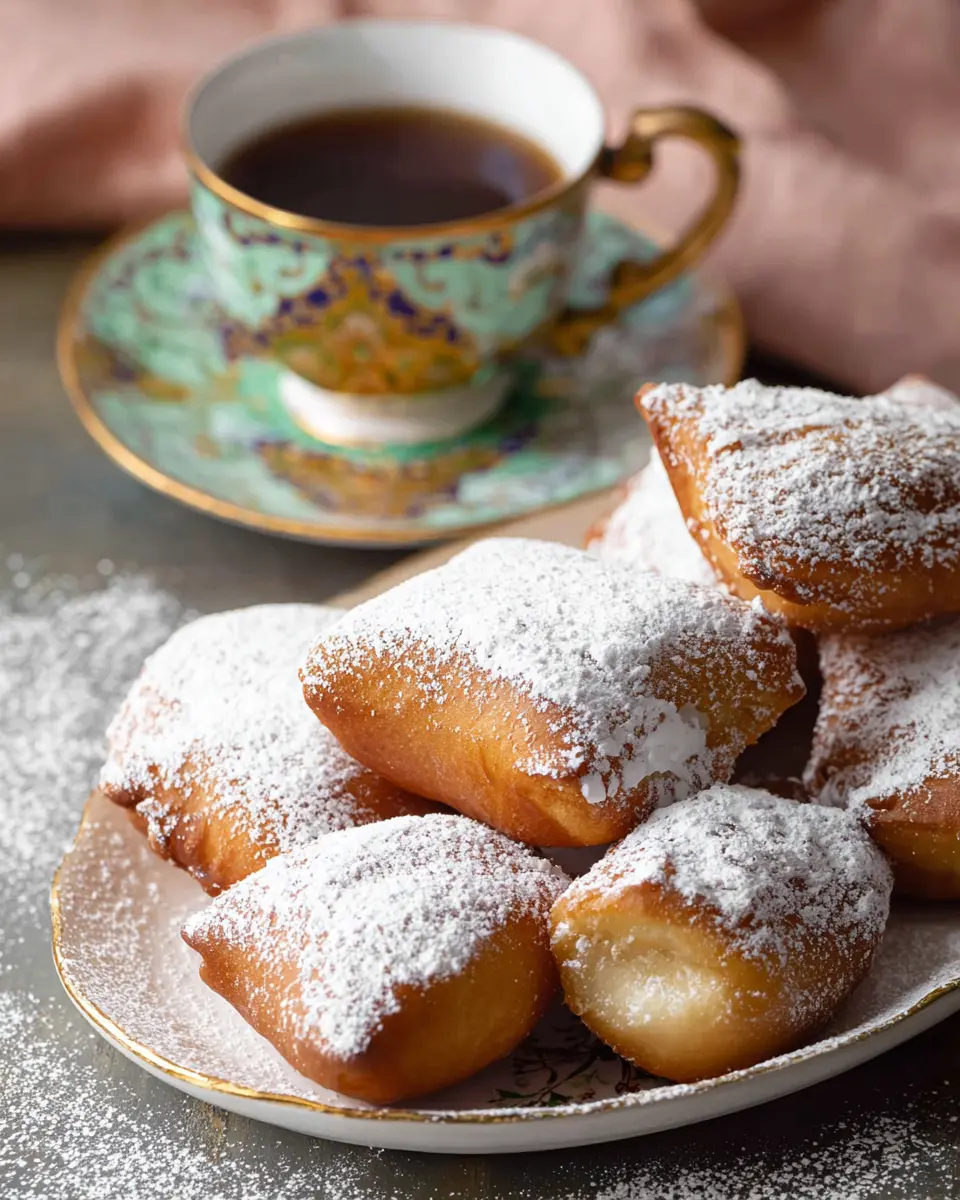
Variations on Beignets
Beignets can be a delightful surprise on your breakfast table or dessert platter, and the possibilities are endless! Here are a few mouth-watering variations to consider:
Classic powdered sugar beignets
The traditional beignet is perhaps the most beloved variety, served fresh and warm, coated in a generous dusting of powdered sugar. This classic treat shines with its light, airy texture, making each flaky bite utterly irresistible. They’re perfect alongside your morning coffee or as a sweet afternoon snack.
Chocolate-filled beignets
For a twist on the classic, try adding a rich chocolate filling. Simply pipe in some melted chocolate or Nutella just before frying for a decadent treat that combines fluffy dough with gooey goodness. Perfect for chocolate lovers, these indulgent beignets will take your taste buds on a delightful journey.
Savory cheese beignets
Looking for something different? Opt for savory cheese beignets! Incorporate your favorite shredded cheese into the dough before frying. The result? A cheesy delight that works well as a brunch offering or a tasty appetizer. Pair them with marinara or garlic dip for an extra flavor boost.
These variations not only keep things interesting but also allow you to customize your beignets recipe to fit any occasion!
Cooking Tips and Notes for Beignets
Tips for Perfect Frying Temperature
To achieve perfectly fried beignets, maintaining the right oil temperature is crucial. Aim for 360°F and use a candy thermometer to monitor it closely. If the oil is too cool, your beignets will absorb excess oil and turn soggy. Too hot, and they risk burning on the outside while remaining raw inside. Test the heat by dropping a small piece of dough; it should sizzle gently and rise to the surface.
How to Keep Beignets Light and Fluffy
To ensure your beignets are light and fluffy, it’s essential to let the dough rise properly. Look for a warm environment to encourage yeast activity—it usually takes about two hours. When rolling out the dough, keep it at a ½ inch thickness; if it’s too thin, your beignets won’t puff up as they fry. Also, handle the dough gently to avoid deflating it before cooking.
For more tips on mastering this beignets recipe, check out King Arthur Baking's tips for working with dough!
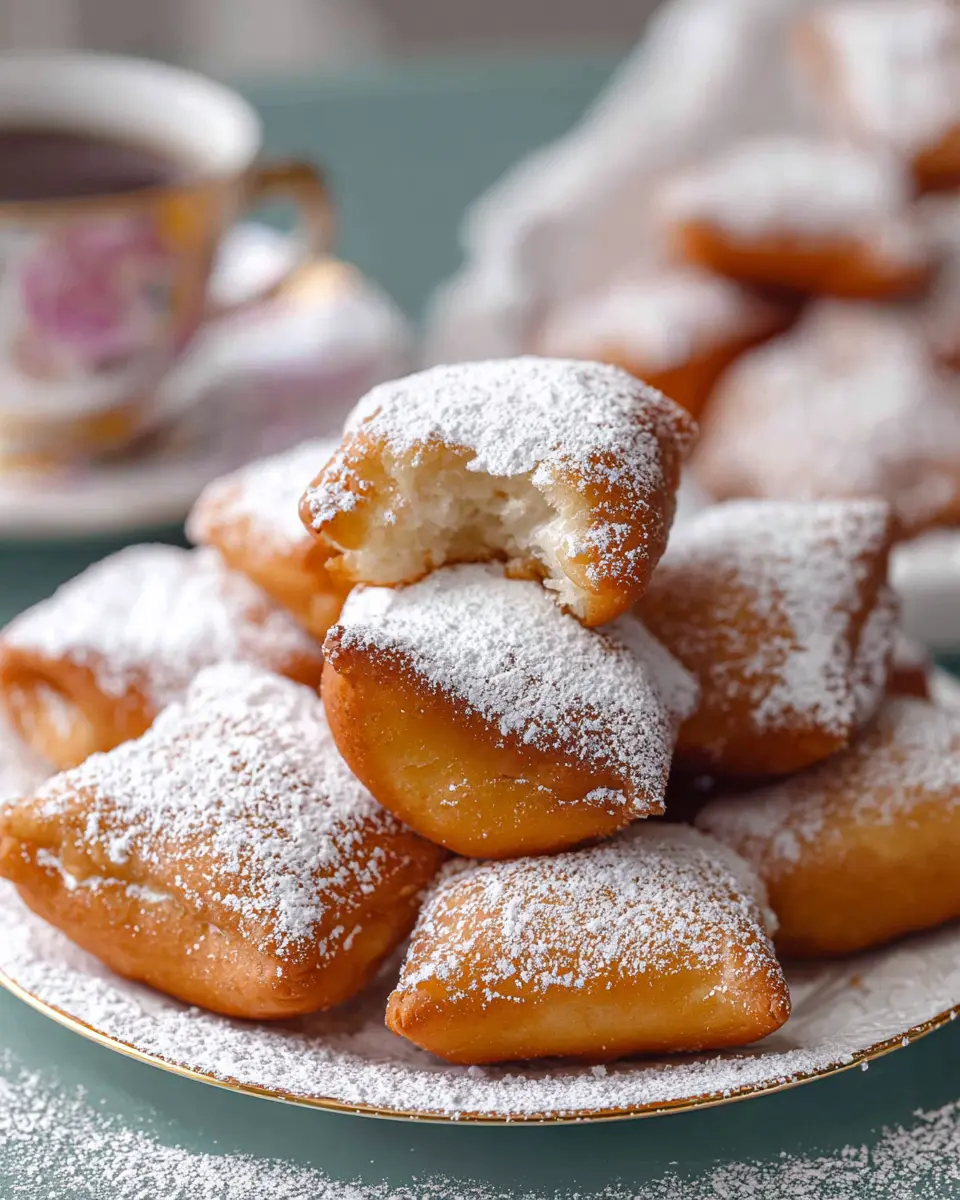
Serving suggestions for Beignets
Best accompaniments for beignets
When enjoying your delightful beignets, consider serving them with a variety of delicious accompaniments. A classic choice is a generous dusting of powdered sugar, but you can also try:
- Chocolate sauce: A warm, gooey dip that complements the sweetness of the beignet.
- Fresh fruit: Sliced strawberries or raspberries add a refreshing touch.
- Coffee or chicory coffee: The slightly bitter flavor perfectly balances the sweet treat.
For an extra indulgent experience, why not pair them with a scoop of vanilla ice cream?
Creative serving ideas
Elevate your beignets recipe by getting creative with presentation! Serve them in a charming café-style paper cone for a fun twist or stack them high on a rustic wooden platter for a stunning centerpiece. You can even offer a mini “beignet bar” with various toppings, like flavored syrups or whipped cream, allowing guests to customize their own treats. This not only enhances the experience but also makes for some great Instagram-worthy moments! For more creative serving ideas, check out this inspiring beignet presentation guide.
Time Breakdown for Beignets
Preparation Time
The preparation time for these delightful beignets is approximately 30 minutes. This includes mixing ingredients and preparing the dough for its rise.
Rising Time
Patience is key when making beignets! Allow the dough to rise for about 2 hours. This step helps develop that perfect fluffy texture.
Cooking Time
Frying the beignets takes a quick 15 minutes. You’ll want to cook them in batches to ensure they fry evenly and achieve that lovely golden color.
Total Time
From start to finish, you’re looking at about 2 hours and 45 minutes to enjoy your homemade beignets. It may take a bit of time, but I promise the end result is absolutely worth it! For more tips and detailed instructions, check out my full beignets recipe and enjoy every sweet bite!
Nutritional Facts for Beignets
When diving into homemade beignets, it's essential to understand their nutritional profile. Enjoy these delightful pastries in moderation as part of a balanced diet.
Calories
Each beignet contains about 144 calories, making them a satisfying treat without overindulging.
Sugar Content
With approximately 8 grams of sugar per serving, these sweet delights satisfy your cravings without overwhelming your daily intake.
Fat Content
These beignets pack about 2 grams of fat each, keeping them light yet delicious, perfect for a sweet bite on a special occasion.
For a deeper dive into the nutritional benefits of homemade treats, check out Nutrition.gov and learn how to balance your enjoyment of desserts with a healthy lifestyle!
FAQs about Beignets Recipe
Can I make beignets in advance?
Absolutely! You can prepare the dough for your beignets recipe ahead of time. After mixing, simply store it in the refrigerator for up to 48 hours. This way, you can have fresh beignets ready whenever cravings strike!
What if my dough doesn’t rise?
If your dough isn't rising, don’t fret! Check the expiration date on your yeast, as expired yeast won't activate. Also, ensure your water is warm (about 110°F). If it's too hot, it can kill the yeast. If your dough still doesn’t rise, you might want to move it to a warmer environment.
How do I store leftover beignets?
To store leftover beignets, place them in an airtight container at room temperature for up to a day. For longer storage, you can freeze them; just make sure to wrap each beignet individually to preserve freshness. When ready to enjoy, simply reheat in a toaster oven for that just-fried taste!
For more tips and tricks, check out this guide on dough storage.
Conclusion on Beignets Recipe
Final thoughts on making beignets at home
Making beignets at home is a delightful experience that brings a taste of New Orleans right to your kitchen. They're surprisingly easy to whip up and perfect for impressing friends and family. Don’t hesitate—savor the joy of these fluffy, sugar-dusted treats today! Enjoy your cooking journey!

Beignets
Equipment
- Stand Mixer
- candy thermometer
- large pot
- wire cooling rack
Ingredients
- ¾ cup warm water between 110°F
- ½ cup granulated sugar (100g)
- 2 ¼ teaspoons active dry yeast (1 envelope)
- 1 large egg room temperature
- ½ cup milk or evaporated milk (120ml), room temperature
- 2 teaspoons vanilla extract (10ml)
- 3 ¾ cups All Purpose flour (450g)
- 1 teaspoon salt
- 3 tablespoons unsalted butter at room temperature (42g)
- vegetable oil for deep frying or peanut oil
- ½ cup powdered sugar (60g)
Instructions
- Add the warm water to the bowl of a stand mixer or a large bowl if making this by hand or an electric mixer. Add the yeast and half the sugar then set aside for about 5 minutes to the yeast can get to work.
- Measure out 3 ¾ cups of flour and mix with the teaspoon of salt and set aside.
- Once the yeast mixture is bubbly, pour in the milk, vanilla, remaining sugar, and add the egg. Whisk together then add half the flour mixture and whisk together until smooth.
- Attach a dough hook then add the remaining flour and begin mixing on medium speed, once the dough comes together add the butter and keep mixing until the dough is smooth and will pull away from the bowl, about 4 minutes. This dough is enriched and sticky but if it seems too wet you can mix in an extra ¼ cup of flour.
- Transfer the dough to a large, lightly oiled bowl then cover and allow to rise in a warm place for at least two hours, you can also store the dough in the refrigerator for up to 48 hours.
- Add about 3 inches of oil to a large pot fitted with a candy thermometer and place over medium-high heat. Cover a wire cooling rack with a few layers of paper towels.
- Once risen, roll the dough into a ½ inch thick rectangle on a well floured surface. Cut into 2-2 ½ inch squares using a pizza cutter.
- Once the oil reaches 360F add the beignets 3-4 at a time; fry until the bottom is puffed and golden, flip over and remove with a spider or slotted spoon once the bottom is golden too.
- Place onto the paper towels then dust with powdered sugar and enjoy!

Leave a Reply